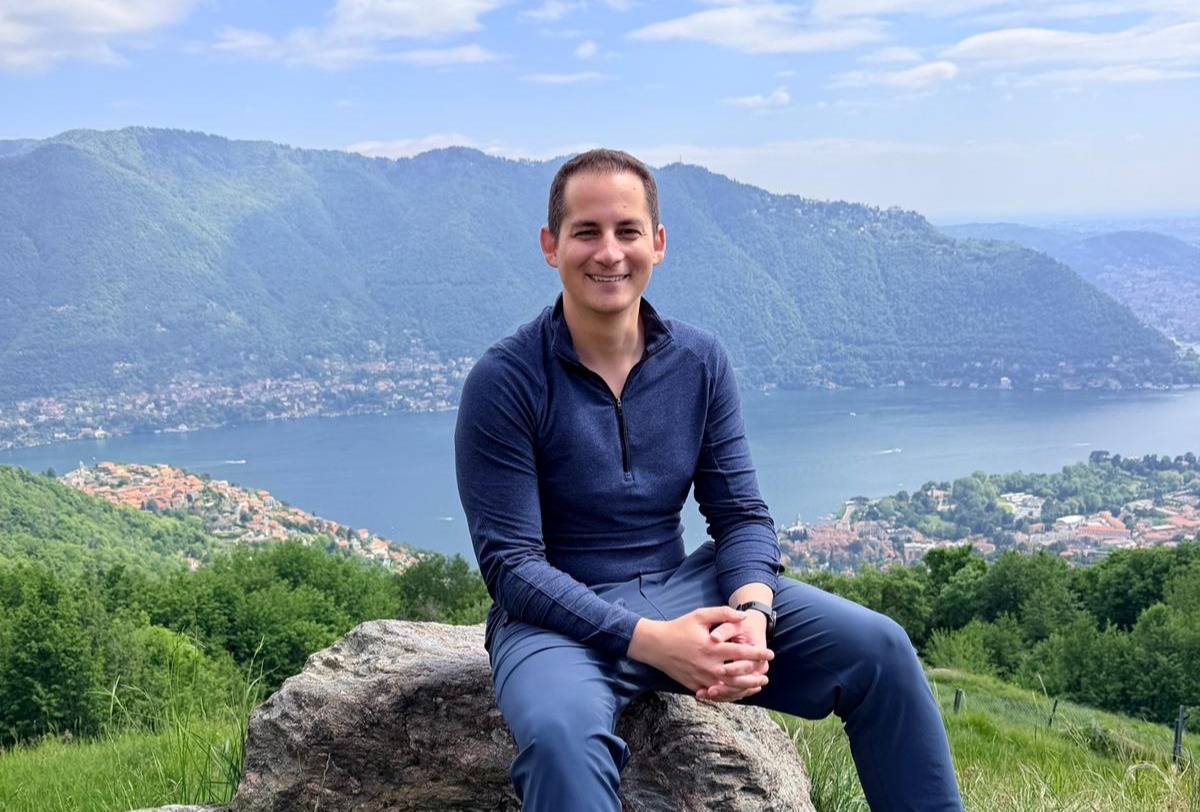
A good way to determine whether the MBA path is right for you, as well as how to go about it, is to hear from students who were in your shoes as applicants not long ago. This is what Spring Admits is about, bringing you tips and insights from past Spring clients and current MBA students of various business schools and industry backgrounds. Our current interviewee is Ariel Abraham, an INSEAD MBA Candidate (class of December 2026).
Ariel, where does this blog post find you today?
I’m in the library on the Fontainebleau campus, taking a short break after a few busy days of mingling with the new arrivals coming over from Singapore. It has been a lively start to P3, and I am enjoying the energy that comes with meeting new people and catching up with classmates.
Walk us through your pre-MBA background.
Before the MBA, I spent most of my time in finance, mainly in M&A, with some investing experience as well. It gave me a strong foundation in deals, analysis, and working with different stakeholders.
What made you decide to pursue an MBA?
I felt I had reached a point where my growth was starting to slow down. I wanted to break through that ceiling, build new skills, and open up more opportunities to get closer to the career I want long term. An MBA at a top school felt like the right step to make that happen.
Why did you choose this particular school?
INSEAD stood out to me because of its international nature, the pace of the program, and the quality of the people it attracts. The experience here feels very global in a real way, not just on paper. You are learning from people with very different backgrounds, industries, and cultures every single day. That kind of environment is incredibly valuable for someone like me who wants to grow into a more global investor and leader.
What surprised you about the actual MBA experience?
What surprised me most was how much cultural context shapes everyday interactions. Something that feels completely normal to you can mean something very different to someone else. It reminds you to stay open, listen carefully, have a dialogue with everyone, and not assume your way is the default. That has been one of the most valuable lessons so far.
What makes your school unique?
What makes INSEAD unique is the mix of people you meet here. I have lived in four countries and traveled to around 45, so I thought I had a strong international perspective already. But INSEAD takes that to another level. Every person brings a different lens, and that makes class discussions, group work, and even casual conversations much richer.
What is it like living in the city/town where the campus is located?
Fontainebleau is small, quiet, and easy to settle into. You can get around very quickly, and the forest nearby is great when you want a break from campus life. A lot of the social energy comes from classmates and shared houses, which makes the experience feel close and personal. And when you want a change of pace, Paris is close enough for a day or weekend trip, while also giving you easy access to travel across Europe. A lot of students also like to go to Le Glasgow, the iconic pub in Fonty, for a casual beer after class.
Any misconceptions about your program you’d like to clear up?
A common misconception is that INSEAD is mainly a consulting school. Consulting is definitely a big part of the student body, but it is far from the only path. There is also a growing interest in private equity, venture capital, and many other industries. The school is much broader than people sometimes assume.
What advice would you give to MBA applicants to your school, or in general?
Take the application process seriously from the start. The essays matter a lot because they show who you are beyond your resume and test scores. Think carefully about the value you can bring to the class, not just what you hope to get from the program. And spend time speaking with current students and alumni so you understand the school properly before applying.
How has your MBA influenced your career and mindset so far?
It has already changed how I think about leadership and long term growth. Being in such a diverse environment has made me more aware, more adaptable, and more thoughtful in how I communicate with people. It has also made me think more clearly about the kind of professional and person I want to become.